English

Views: 0 Author: Site Editor Publish Time: 2023-08-29 Origin: Site


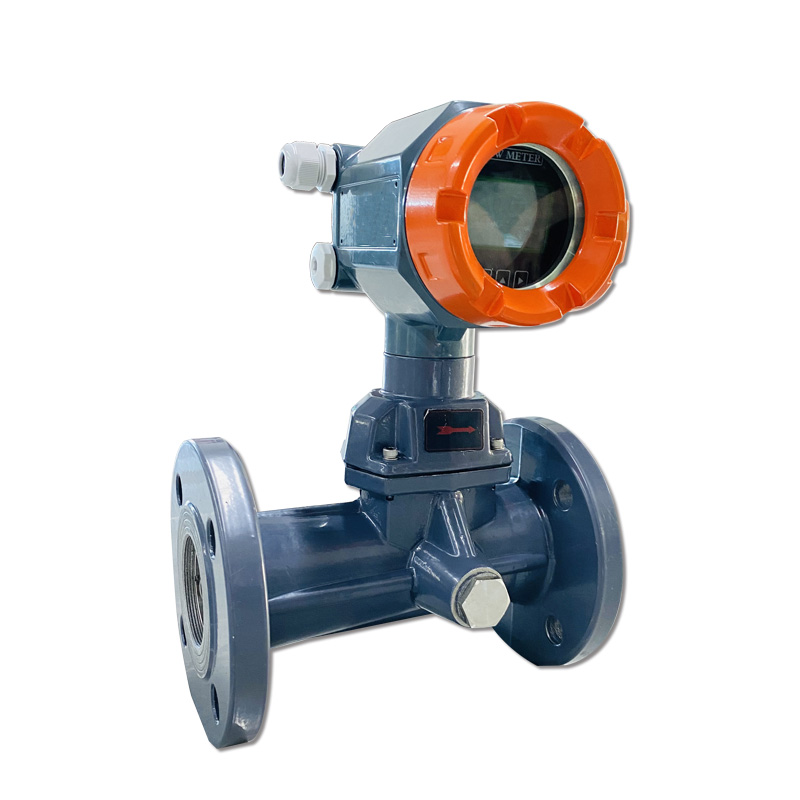
In the natural gas industry, compressed natural gas (CNG) flow meters play a crucial role. It not only helps to accurately measure the flow rate of natural gas, but also ensures the safety and efficiency of natural gas transportation. This article will explore in detail the working principle of compressed natural gas flow meters and the precautions during installation.
The working principle of compressed natural gas flow meters is based on the principles of fluid dynamics and thermodynamics. When natural gas passes through a flow meter, its flow characteristics are measured and converted into the corresponding volumetric or mass flow rate through a conversion device.
Compressed natural gas flow meters usually use turbine, waist wheel, or Roots flow meters, and their working principle is based on the principle of rotating machinery, which deduces the flow rate by measuring the rotational speed. In addition, there is a thermal flowmeter, which works by measuring the heat loss of gas passing through the heating element, thereby deriving the flow rate.
Site selection and layout: The flow meter should be installed in a place that is easy to maintain and less susceptible to vibration and impact. In addition, it should be ensured that the pipeline in front of the flowmeter has sufficient straight sections to reduce fluid flow disturbances and improve measurement accuracy.
Interface matching: Ensure that the interface size of the flowmeter matches the pipeline size to avoid pressure loss and measurement errors caused by interface mismatch.
Pipeline cleaning: Before installing the flowmeter, it is necessary to ensure that there are no impurities in the pipeline to avoid damaging the internal components of the flowmeter or affecting the accuracy of the measurement.
Electrical connection: For electric operated flow meters, ensure that the electrical connection is firm and there are no short circuits or open circuits. In addition, relevant electrical safety standards should be followed to ensure personnel safety.
Debugging and calibration: After installation is completed, the flow meter should be debugged and calibrated to ensure its normal operation and accuracy. If possible, a standard flow meter should be used for comparison and calibration.
Maintenance and upkeep: Regular maintenance and upkeep of the flow meter, including cleaning, lubrication, and calibration, are key to ensuring its long-term stable operation.
Overall, proper installation and operation of compressed natural gas flow meters are crucial for the safe and efficient transportation of natural gas. Following the above working principles and installation precautions helps to ensure the accuracy and reliability of the flow meter.